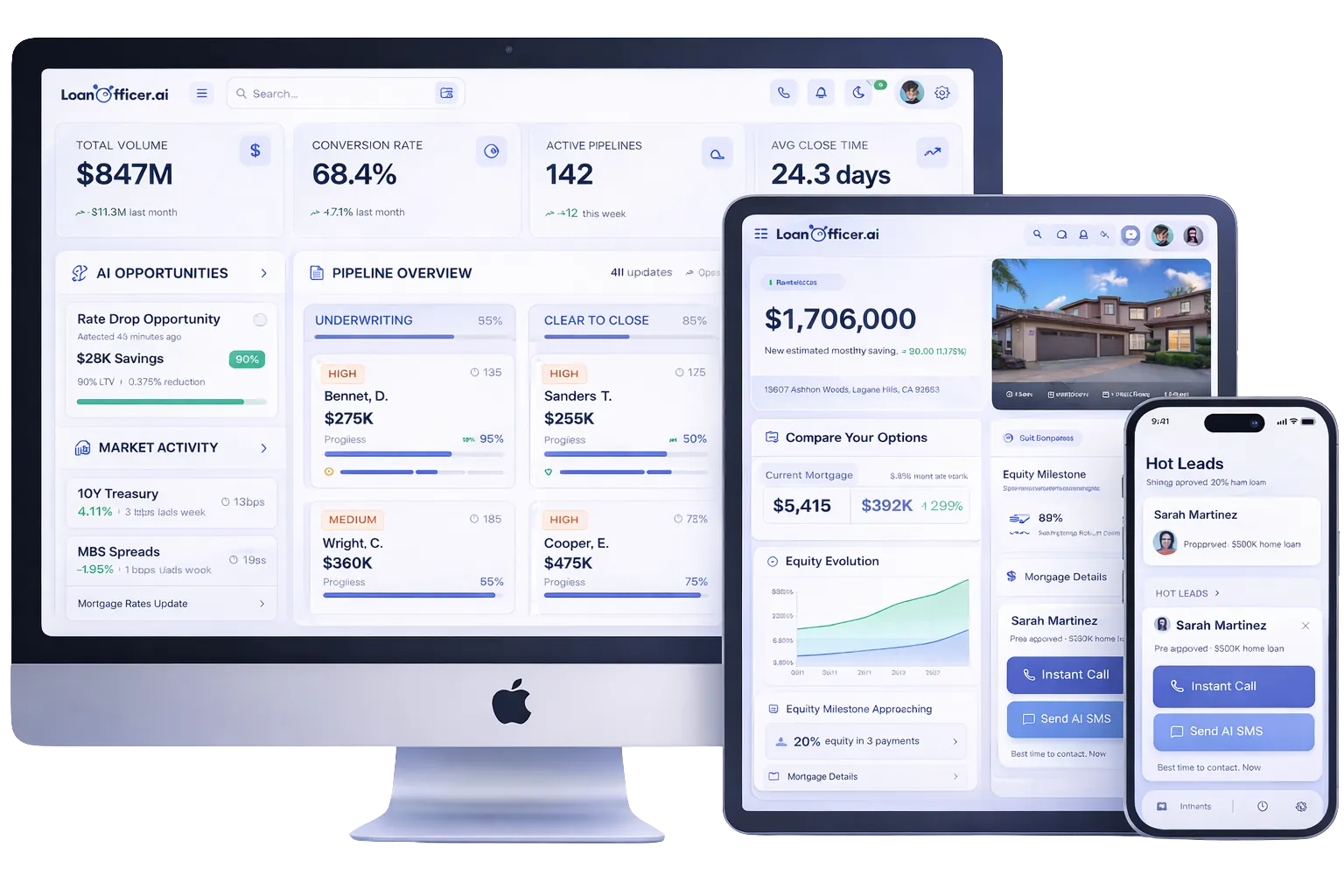
Most mortgage leads are not ready to apply in the week they raise their hand. The loan officers who win them are the ones who stay helpful and present for the full buying window, and AI is what makes that possible when you are working hundreds of leads at once.
What is mortgage lead nurturing?
Mortgage lead nurturing is the practice of staying in regular, useful contact with a prospective borrower from first inquiry until they are ready to apply. It combines timely SMS, email and calls that answer questions, build trust and surface buying signals, so the loan officer is the obvious choice when the borrower decides to move forward.
Most leads are not ready in week one for simple reasons. A buyer who filled out a form on a Sunday night may still be touring homes, saving for a down payment, waiting on a job change, or comparing what they can afford in two different neighborhoods. A refinance lead may be watching the market without a firm decision. None of these people are bad leads. They are early leads, and early leads convert only when someone keeps showing up with the right message at the right time.
The problem is capacity. A loan officer can personally follow up with a handful of new leads each day, but a steady inbound flow quickly outgrows that. Speed matters on the first touch (see our guide to speed to lead), yet the bigger leak is what happens after the first few days, when manual follow-up quietly stops. AI closes that gap by handling the consistent, repetitive touches while routing real conversations to you.
The three-lane framework
Not every lead deserves the same cadence. Sorting leads into three lanes keeps hot borrowers from waiting and keeps cold browsers from being overwhelmed. The lane can change at any time based on what the borrower says or does.
Hot
Who belongs here: borrowers with a timeline measured in days or weeks, such as buyers under contract, buyers actively writing offers, or refinance leads who asked for next steps. Touch frequency: daily at first, then every few days. Channel mix: SMS first, a call from the loan officer, and email for documents and checklists. Goal: book a conversation and start the application.
Warm
Who belongs here: borrowers planning to move within the next few months who are still researching, saving or house hunting. Touch frequency: roughly weekly. Channel mix: email for education and market context, with occasional SMS check-ins. Goal: become their trusted advisor and earn the pre-approval conversation.
Cold
Who belongs here: early browsers, leads with no stated timeline, and people who stopped replying. Touch frequency: about monthly. Channel mix: mostly email, with a light SMS touch when there is a genuine reason to reach out. Goal: stay remembered without becoming noise, and catch the moment their plans change.
| Lane | Timeline | Touches | Goal |
|---|---|---|---|
| Hot | Days to weeks | Daily, then every few days | Book a call and start the application |
| Warm | Next few months | About weekly | Earn the pre-approval conversation |
| Cold | No stated timeline | About monthly | Stay remembered until plans change |
If you are evaluating software to run this, the best CRM for loan officers should let you tag lanes automatically and change cadence without rebuilding campaigns.
The 90-day cadence (day by day)
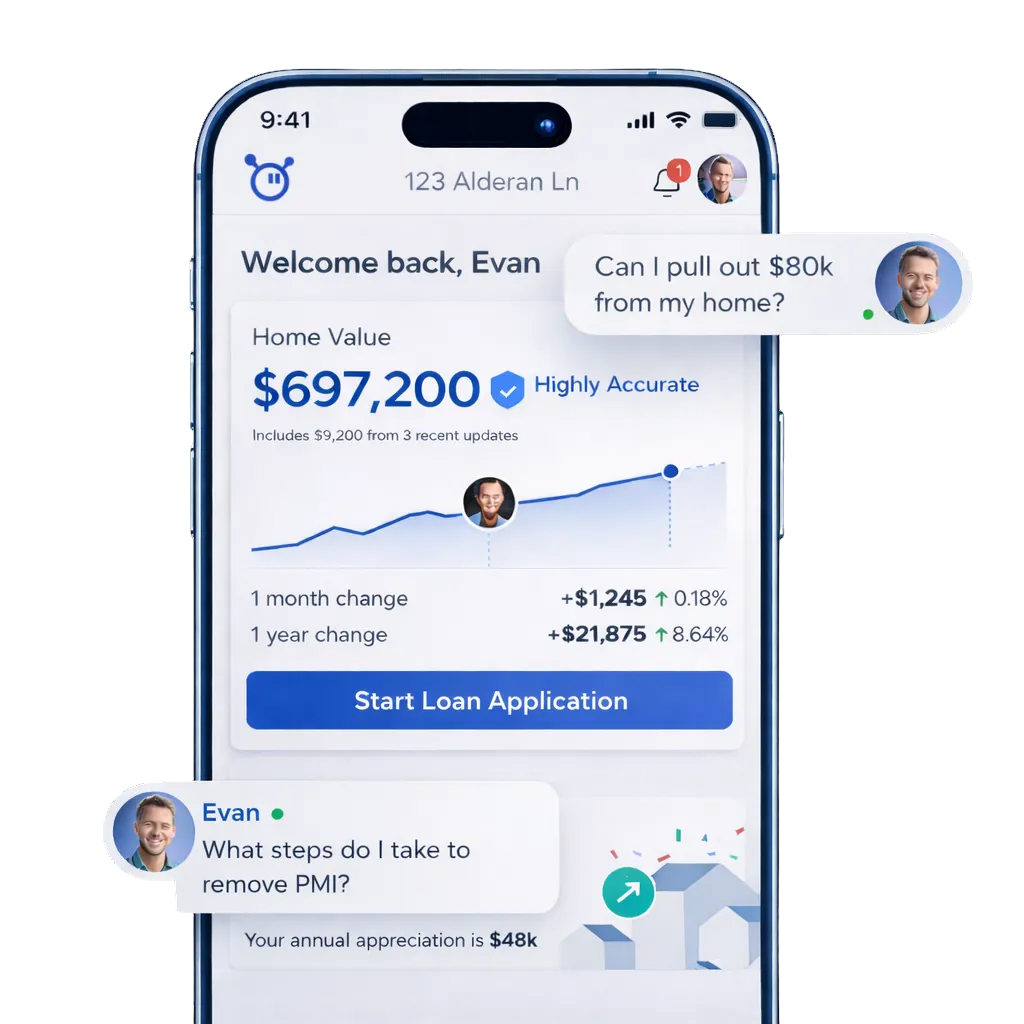
The cadence below is a starting point for a new purchase lead. Each touch has a job. Early touches qualify and book; middle touches educate; later touches check readiness and set up the long-term lane. AI sends the scheduled messages and replies to simple questions, and every reply is visible to the loan officer.
| Day | Channel | Message | Purpose |
|---|---|---|---|
| 0 | SMS | Personal intro and a simple question about their plans | Respond fast and start a conversation |
| 1 | Welcome note with a booking link and what to expect | Offer a call and set expectations | |
| 3 | SMS | Friendly check-in on their home search | Confirm timeline and lane |
| 7 | Local market snapshot and buying process overview | Educate and build trust | |
| 14 | SMS | Offer to walk through pre-approval steps | Surface buying intent |
| 21 | Document checklist and budgeting tips | Reduce friction to apply | |
| 30 | Call | Personal outreach from the loan officer | Human touch and relationship |
| 45 | Answers to common first-time buyer questions | Keep value flowing | |
| 60 | SMS | Check whether plans or timeline have changed | Re-qualify and adjust lane |
| 75 | Success story or guide relevant to their goal | Reinforce credibility | |
| 90 | SMS | Ask whether to keep sending updates | Confirm interest and move to long-term lane |
Here are example messages for a purchase lead. Notice that none of them quote rates or programs; they invite a conversation instead.
- Day 0 SMS: "Hi Jordan, it's Sam with LoanOfficer.ai. Thanks for reaching out about buying a home. Are you still looking, or just getting started?"
- Day 3 SMS: "Hi Jordan, how is the home search going? If it helps, I can walk you through what pre-approval looks like. Reply STOP to opt out."
- Day 60 SMS: "Hi Jordan, checking in. Has your moving timeline changed? Happy to help whenever you're ready, no pressure at all."
For writing these at scale, see AI SMS campaigns, and for how AI handles the replies, read AI follow-up for loan officers.
The handoff rules: when AI stops and the LO steps in
AI nurture works because it knows when to get out of the way. Set clear handoff triggers so the right conversations reach a licensed loan officer immediately. The AI should alert you and pause automated messages when a borrower:
- Asks a specific rate, pricing or loan program question
- Says they want to talk to a human or asks for you by name
- Books an appointment on your calendar
- Requests a pre-approval or asks how to apply
- Shows negative sentiment, frustration or confusion
- Opts out, replies STOP, or asks not to be contacted
Be plain about the boundary: the AI never quotes rates or products. It can acknowledge the question, explain that the loan officer will follow up personally, and offer a time to talk. Rates and program recommendations depend on a full review of the borrower's situation, and that conversation belongs to you.
Re-engaging leads that go cold
Reaching day 90 without an application does not mean the lead is lost. It means the lead belongs in a slower, longer lane. Move borrowers who have not converted into a monthly lane with low-pressure educational content and occasional check-ins.
Pair that lane with a rate-drop trigger. When market conditions shift in a way that could matter to a borrower, an automated alert prompts a timely, relevant message that invites them back into a conversation. This is where a long-term database becomes an asset rather than a list. For the full playbook on waking up older contacts, see database reactivation.
Compliance: TCPA, opt-outs and AI disclosure
Automated nurture has to be built on consent and respect. Capture clear, documented consent before texting or calling, and keep a record of where and when it was given. Honor STOP and other opt-out replies right away, across every channel, and make opting out easy in your messages.
Respect quiet hours in the borrower's local time zone so messages do not arrive late at night or early in the morning. Identify the AI as an AI when it is responding on your behalf, and never let it present itself as a licensed loan officer. For deeper guidance on SMS consent and message setup, read our SMS automation guide. This section is general information, not legal advice; confirm requirements with your compliance team or counsel.
How to set this up in LoanOfficer.ai
You can run the whole framework inside LoanOfficer.ai without stitching tools together:
- Import your leads. Bring in new inquiries and older contacts from your lead sources and spreadsheets.
- Tag each lead's lane. Mark leads Hot, Warm or Cold based on timeline, and let replies move them between lanes.
- Turn on AI follow-up. Enable AI follow-up so scheduled touches go out and simple replies are answered.
- Set handoff alerts. Choose the triggers above so rate questions, booked calls and opt-outs reach you instantly.
- Review weekly. Read conversations, adjust messages that are not landing, and call the leads the AI has warmed up.
FAQ
What is AI lead nurturing in mortgage?
AI lead nurturing in mortgage uses automated, personalized SMS and email to keep in touch with prospective borrowers until they are ready to apply. The AI sends scheduled messages, answers simple questions and flags buying signals, while the loan officer handles rate questions, applications and any conversation that needs a licensed professional.
How long should you nurture a mortgage lead?
A strong starting point is a structured 90-day cadence, because many buyers take weeks or months to be ready. After that, keep non-converting leads in a monthly lane with educational content and rate-drop triggers. Stop only when the borrower opts out, closes elsewhere or clearly tells you they are no longer interested.
How often should a loan officer follow up with a new lead?
Follow up immediately, then frequently in the first week while interest is highest, and taper to roughly weekly and then monthly as the lead cools. Match frequency to the lead's lane: hot leads get daily attention and a call, warm leads get weekly value, and cold leads get light monthly touches.
When should AI hand a lead to the loan officer?
AI should hand off and alert the loan officer when a borrower asks about rates or programs, asks for a human, books an appointment, requests pre-approval, shows frustration or negative sentiment, or opts out. The AI never quotes rates or products; it acknowledges the question and connects the borrower with you.
Is AI texting borrowers TCPA compliant?
AI texting can be compliant when it follows the same rules as any automated messaging: documented prior consent, immediate handling of STOP and opt-out requests, respect for quiet hours, and clear identification that the sender is an AI. Requirements vary, so confirm your setup with your compliance team or counsel. This is not legal advice.
Nurture is where most mortgage pipelines leak, and it is also where consistent follow-up compounds over time. You can wire this framework into your own pipeline during a $1 14-day trial.
